Innovative Concrete Techniques for Canadian Construction
The construction industry in Canada is evolving rapidly, with new technologies and methods transforming how buildings and infrastructure are developed. Among these advancements, modern concrete construction techniques stand out for their ability to improve durability, sustainability, and efficiency. This article explores some of the most innovative concrete methods shaping Canadian construction today, offering practical insights and examples for builders, architects, and engineers.
Embracing Modern Concrete Construction Methods
Modern concrete construction in Canada focuses on enhancing the material's performance while reducing environmental impact. Traditional concrete, while strong and versatile, has limitations such as cracking, long curing times, and a significant carbon footprint. To address these challenges, several innovative techniques have emerged:
Self-Healing Concrete: This type of concrete contains bacteria or chemical agents that activate when cracks form, sealing them automatically. It extends the lifespan of structures and reduces maintenance costs.
Ultra-High Performance Concrete (UHPC): UHPC offers exceptional strength and durability, allowing for thinner, lighter structures without compromising safety.
3D Concrete Printing: This technology enables the creation of complex shapes and customized components with minimal waste and faster construction times.
These methods not only improve structural integrity but also contribute to sustainability goals by minimizing resource use and extending the life of buildings.
What do you mean by concrete?
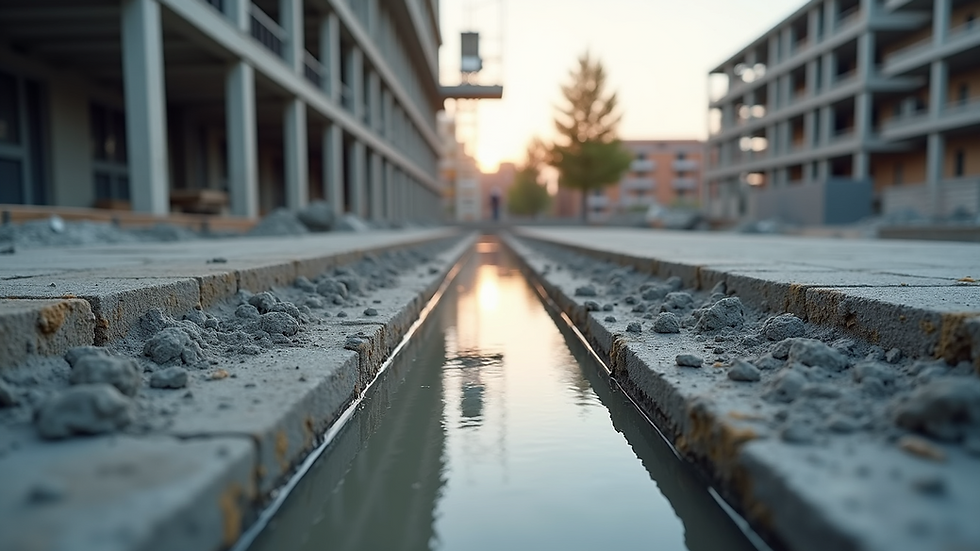
Concrete is a composite material composed primarily of cement, water, and aggregates such as sand and gravel. When mixed, these components form a paste that hardens over time, binding the aggregates into a solid mass. This process, known as hydration, gives concrete its strength and durability.
In modern construction, concrete is often enhanced with additives and reinforcements to improve its properties. For example:
Admixtures: Chemicals added to the mix to control setting time, improve workability, or increase resistance to environmental factors.
Reinforcement: Steel bars or fibers embedded within concrete to enhance tensile strength and prevent cracking.
Understanding the basic composition and behavior of concrete is essential for applying innovative techniques effectively in construction projects.

Innovative Techniques Transforming Canadian Construction
Several cutting-edge concrete techniques are gaining traction in Canada, driven by the need for sustainable and resilient infrastructure. Here are some notable examples:
1. Green Concrete
Green concrete incorporates recycled materials such as fly ash, slag, or recycled aggregates, reducing the demand for virgin resources. It also lowers carbon emissions associated with cement production. Canadian projects increasingly use green concrete to meet environmental standards and certifications.
2. Precast Concrete Elements
Precast concrete involves casting components in a controlled factory environment before transporting them to the construction site. This method improves quality control, reduces construction time, and minimizes site disruption. It is especially popular for bridges, walls, and modular buildings.
3. Fiber-Reinforced Concrete
Adding fibers made of steel, glass, or synthetic materials enhances concrete's toughness and crack resistance. Fiber-reinforced concrete is ideal for pavements, industrial floors, and structures exposed to heavy loads or harsh conditions.
4. Insulated Concrete Forms (ICFs)
ICFs are hollow blocks or panels filled with concrete and insulation, providing excellent thermal performance and soundproofing. They contribute to energy-efficient buildings and are increasingly used in residential and commercial construction across Canada.
5. High-Performance Concrete (HPC)
HPC combines advanced materials and mix designs to achieve superior strength, durability, and resistance to environmental stressors. It is suitable for infrastructure projects requiring long service life and minimal maintenance.

Practical Recommendations for Implementing Innovative Concrete Techniques
To successfully adopt these modern concrete methods, construction professionals should consider the following steps:
Assess Project Requirements: Evaluate the specific needs of the project, including load-bearing capacity, environmental conditions, and sustainability goals.
Select Appropriate Technology: Choose the concrete technique that best aligns with project objectives and budget constraints.
Collaborate with Experts: Work with material scientists, engineers, and suppliers to optimize mix designs and construction processes.
Train Workforce: Ensure that construction teams are trained in handling new materials and technologies to maintain quality and safety.
Monitor and Test: Implement rigorous testing and monitoring protocols to verify performance and address issues promptly.
By following these guidelines, Canadian construction projects can leverage innovative concrete techniques to achieve superior results.
The Future of Concrete in Canadian Construction
The future of construction in Canada is closely tied to advancements in concrete technology. As urbanization and infrastructure demands grow, the industry must prioritize materials and methods that offer durability, sustainability, and cost-effectiveness.
Emerging trends include:
Smart Concrete: Embedded sensors that monitor structural health in real-time.
Carbon Capture Concrete: Techniques that absorb CO2 during curing, reducing environmental impact.
Modular Construction: Combining precast concrete with modular design for faster, scalable building solutions.
These innovations promise to revolutionize how Canadian cities and communities are built, ensuring safer, greener, and more resilient structures.
For those interested in exploring high-quality concrete solutions and services tailored to modern construction needs, partnering with experienced suppliers and contractors is essential.
By embracing these innovative concrete techniques, the Canadian construction industry can meet the challenges of today and build a sustainable future.


Comments